Strength & movement
Supported exercise to help build strength, mobility and confidence in moving again.
Stroke rehab support in Hull
One-to-one stroke recovery support in Hull
Because your loved ones deserve to get their spark back.
Personal support for you or someone you care about. Planned home visits built around movement, confidence and everyday independence, opening once certification and specialist insurance are confirmed.
Helping stroke survivors move forward
One achievable step at a time
With support that feels personal
A human approach to recovery
Spark Rehab brings together practical exercise, patient encouragement and a genuine understanding that every stroke survivor’s journey is different.
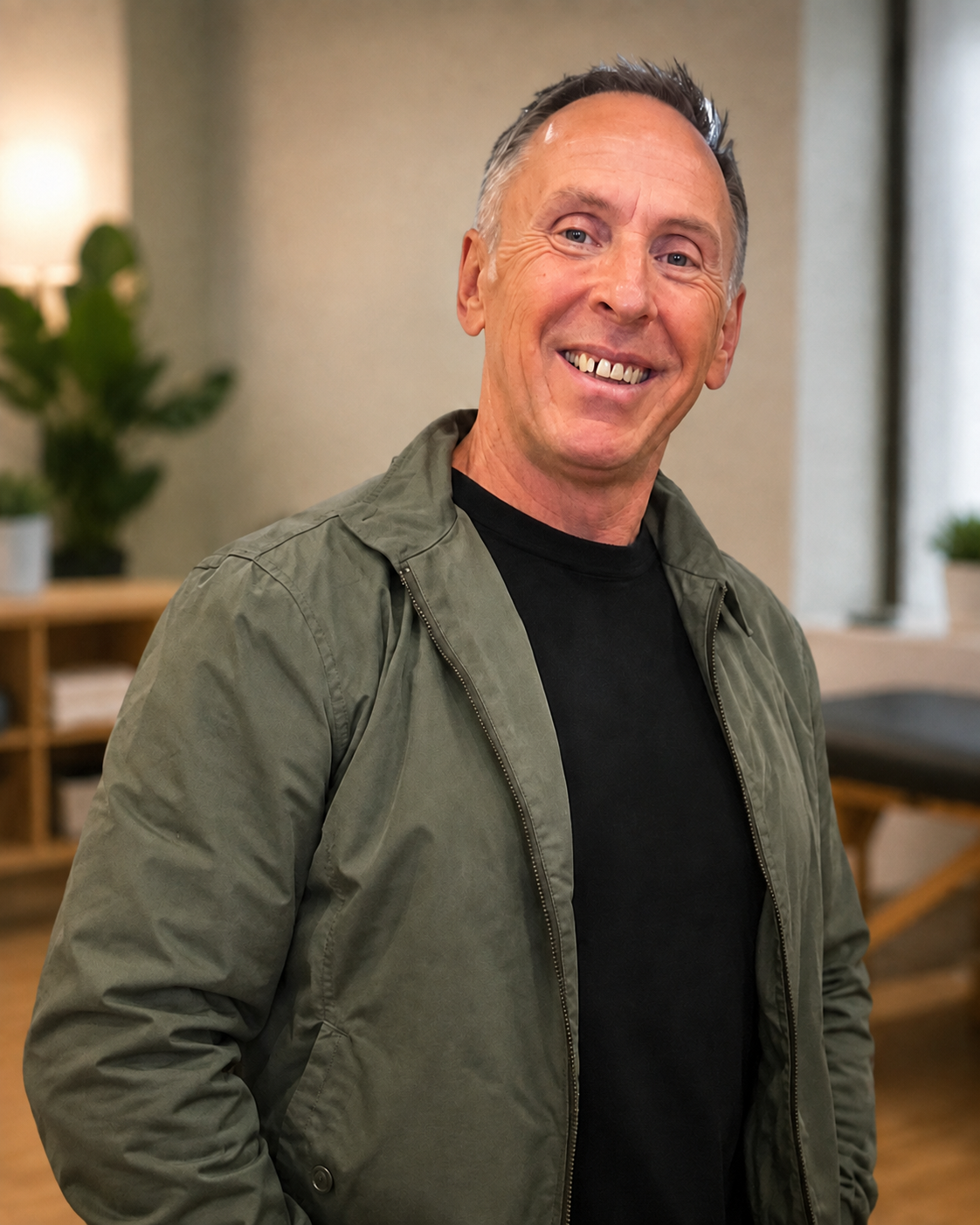
Meet Keith
I’m Keith Thresh, a personal trainer and the founder of Spark Rehab. I’ve worked in personal training for 20 years, supporting people with different abilities, limitations and levels of confidence.
During that time, I’ve learned that successful coaching isn’t just about exercise. It’s about listening, building trust and understanding the person in front of you. I’ve always been a people person, and many of my clients have stayed with me because they feel comfortable, supported and never judged.
Helping my friend’s dad after his stroke gave me a new sense of purpose. It inspired me to complete specialist ARNI training and create Spark Rehab, with support built around the everyday goals that matter to each person.
More about KeithSpecialist training successfully completed
Formal certificate and specialist insurance confirmation are currently awaited.
How I can help
Calm, focused sessions designed around achievable goals—working alongside the guidance already provided by your medical and rehabilitation team.
Supported exercise to help build strength, mobility and confidence in moving again.
Patient, progressive support to make movement feel safer and more manageable.
Working towards the real-life activities and routines that matter to each person.
A personal recovery journey
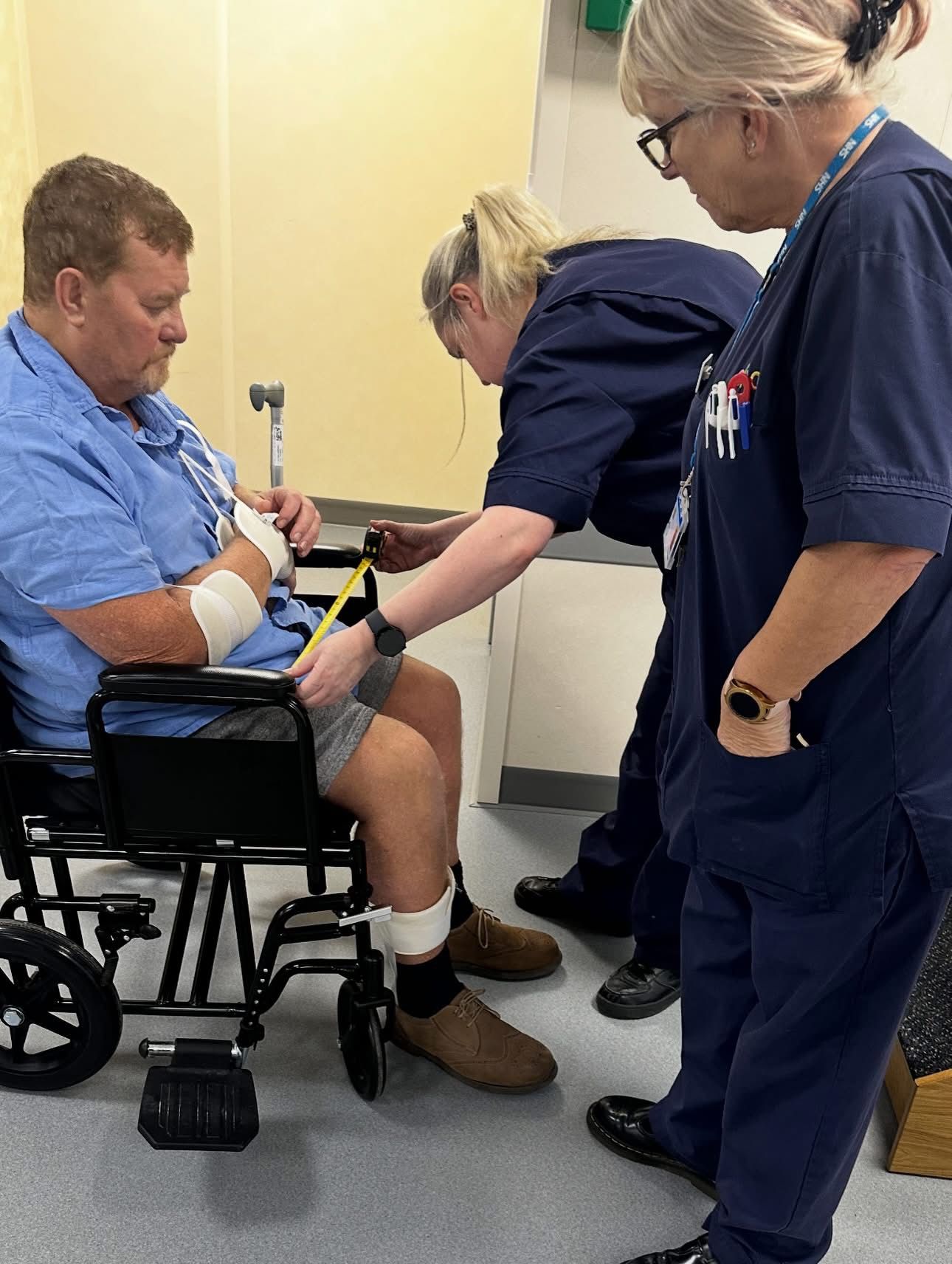
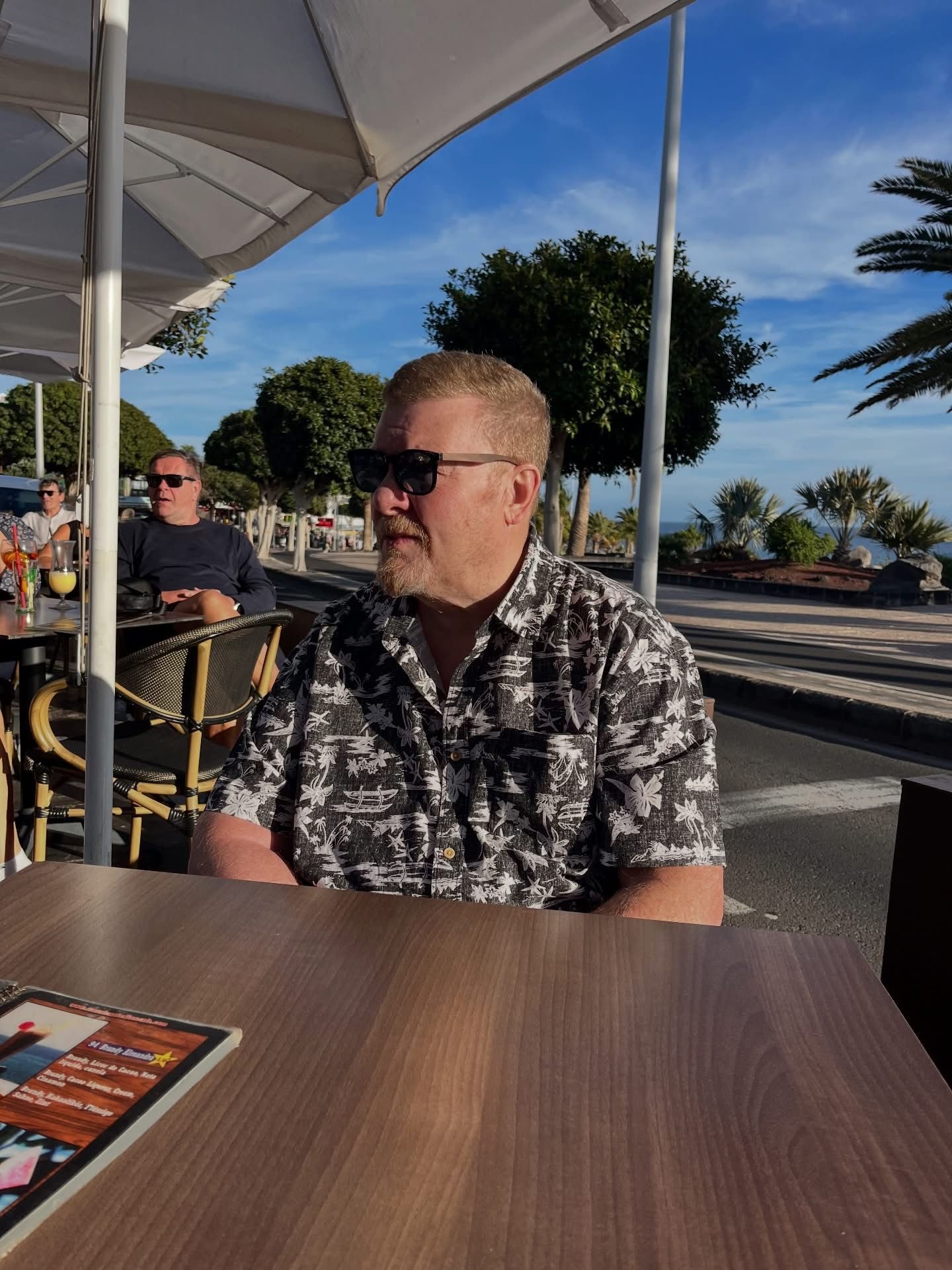
In October 2024, Andy Lee was a 62-year-old self-employed butcher, enjoying life and following his beloved Hull City. One evening, he got up to make a cup of tea while watching the football and suffered a severe stroke.
His family were with him and he was taken straight to Hull Royal Infirmary. After three weeks in hospital, he continued his recovery and physiotherapy in a nursing home before returning to his wife and family.
As the physiotherapy available to Andy became more limited, his son Alex asked whether I could offer additional support. I was an experienced personal trainer, but had not yet completed specialist stroke training. Working with Andy showed me how much more there was to learn and inspired me to complete my ARNI training and create Spark Rehab.
Andy can now walk without assistance. His arm, shoulder and grip strength have improved considerably, and he has made progress with his foot drop. His determination and our regular sessions have been part of a journey supported by his family and healthcare teams.
I’m proud to have played a part in helping Andy get back to things he enjoys.
Every stroke and recovery journey is different. Andy’s experience is personal to him, and individual outcomes will vary.
What a session looks like
A family member or carer is welcome to stay. If fatigue is high on the day, the pace and activities can be adjusted.
We talk about how you feel that day and any guidance or changes from your healthcare team.
We practise suitable strength, balance or everyday movements with rest whenever it is needed.
We finish by noting what went well and agreeing one realistic next step.
Who it’s for
Spark Rehab supports people who are ready for safe, supported activity following a stroke and want some extra encouragement along the way.
Send Keith a messageLooking to rebuild movement and confidence after clinical assessment or rehabilitation.
Wanting trusted, personal support for someone they care about.
With appropriate medical clearance and goals that matter in everyday life.
Introductory pricing
These introductory prices show what specialist sessions will cost. Bookings will open when Keith's formal certificate and specialist insurance are confirmed.
Free15 minutes
A friendly chat about goals and whether Spark Rehab may be suitable. Prefer writing? Start by text or email.
£65up to 75 minutes
A careful first session to understand current ability, meaningful goals and an appropriate way forward.
£5560 minutes
Individual exercise and functional practice shaped around agreed goals, progress and medical guidance.
Six ongoing 60-minute sessions. The initial £65 movement and goals session is separate. Travel within Hull is included; visits outside Hull are agreed beforehand. Subject to suitability and appropriate medical clearance. Written booking and cancellation terms are provided before payment.
Send Keith a messageA helpful place to begin
A clear, reassuring guide for stroke survivors, families and carers—covering safety, fatigue, mental wellbeing, daily practice and the road ahead.
Download the free guide No sign-up needed. General information only—not a substitute for medical advice.Questions after a stroke
Every stroke is different. These short answers offer a reliable starting point and link to trusted UK guidance—not a replacement for advice from your own medical and rehabilitation team.
There is no single timetable. Some people recover over days or weeks, while others make progress over months or years. The effects of the stroke, general health and access to rehabilitation all influence the journey.
NHS: Recovering from a strokeYes. Recovery is often quickest in the early days and weeks, but progress can continue for months and even years. Regular, meaningful practice can support the brain as it adapts and relearns skills.
Stroke Association: Stroke recoveryRehabilitation is personalised and may involve physiotherapy, occupational therapy, speech and language therapy, psychological support and medical care. The aim is to help the person regain skills and independence safely.
NHS: Recovering from a strokeThe right starting point is different for everyone. Activity should be guided by the person’s stroke team or healthcare professional, taking account of mobility, balance, fatigue, heart health and any other medical conditions.
Stroke Association: Getting active after strokePost-stroke fatigue is very common and can feel different from ordinary tiredness. Pacing activity, planning rest and discussing persistent or worsening fatigue with a healthcare professional can help identify the right support.
Stroke Association: Post-stroke fatigueNew stroke symptoms are an emergency. Call 999 immediately—even if the symptoms improve.
Let’s have a chat
Tell me a little about where things are now and what you would like help with. If Spark Rehab feels like the right fit, we can talk about the next step.